The Cameroon's Biggest Showcasing the Region’s Largest Charcoal Operation
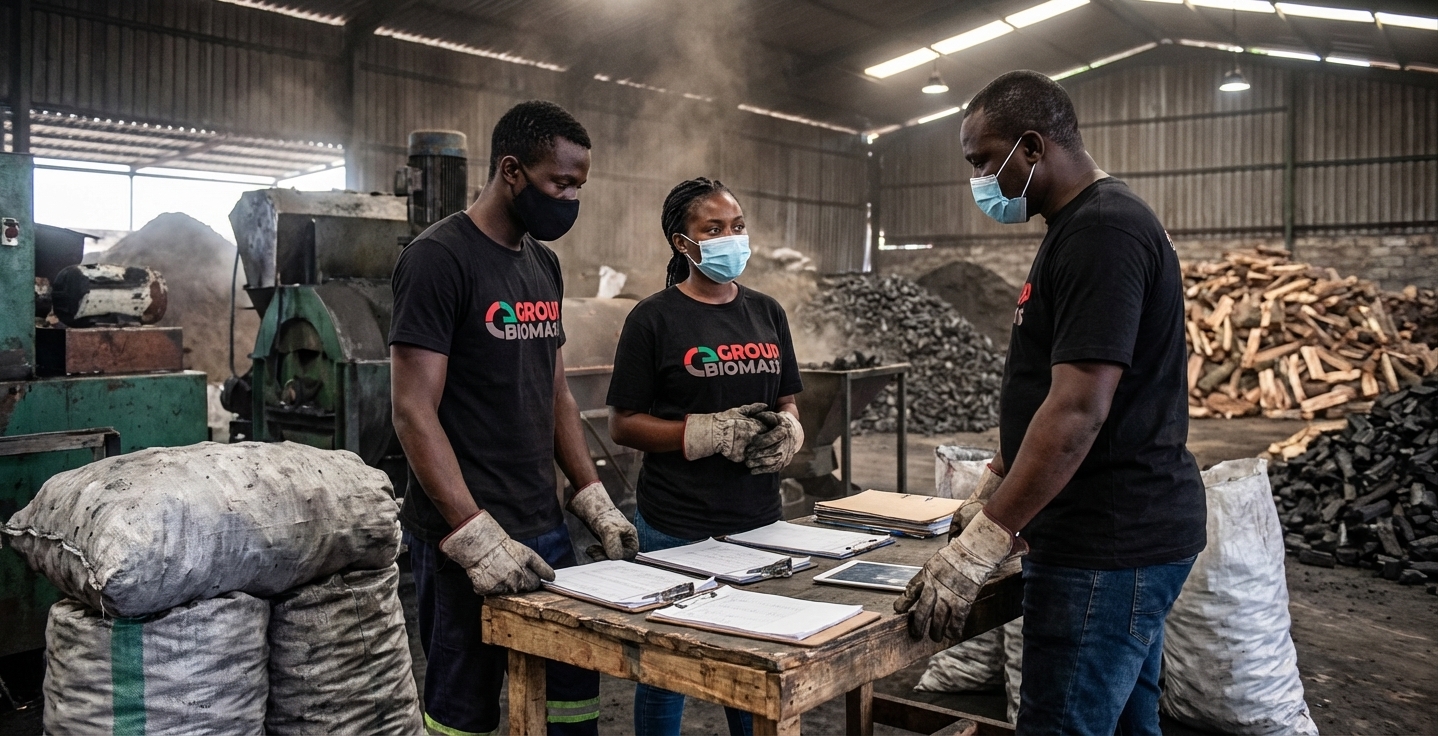
Deep within the country, a massive site stands as a symbol to the increasing demand for charcoal . This commercial complex, reportedly the country’s largest wood factory , is raising attention for both its size and the possible environmental ramifications. While offering employment for local communities, the factory's activities are sparking concerns about responsible forest management and the long-term health of the country's forests .
Natural Lump Charcoal Shipment Boom: The Rising Star
Cameroon is seeing a significant surge in hardwood lump carbon exports, positioning itself as a key source in the global sector. Fueled by growing demand from the US and Asian markets, the nation’s output of this eco-friendly fuel is steadily increasing, offering valuable prospects for local farmers and strengthening the national economy. The focus on environmentally friendly timber granulated charcoal is proving to be a critical factor in attracting global customers.
Inside Cameroon’s Hardwood Lump Charcoal Factory: Production & Sustainability
Stepping across a average Cameroon hardwood lump carbon factory uncovers a rather straightforward method of production. Untreated trees, often obtained from responsible woodlands, are carefully logged and moved to check here a oven. Within this area, the wood is slowly heated with limited oxygen, a method that transforms it as lump charcoal. Despite the traditional methods used can be difficult, growing new factories are integrating better techniques and seeking methods to improve both productivity and nature sustainability. This encompasses dedicating in clean resources and introducing strict scrap handling plans.
Cameroon's Charcoal Trade : A Major Role in Global Exports
Despite mounting environmental concerns , Cameroon’s lump charcoal sector remains a surprising but vital player in the global sales arena . The production of charcoal from trees is a important foundation of income for thousands of local communities, particularly in underserved zones. This operation generates a substantial amount of wood charcoal destined for overseas destinations , often providing heating needs in other countries , though this reliance creates problems relating to forest loss and responsible forest stewardship .
Le Face à Charbon de Bois Lump de Bois Dur vs. Les Briquettes: Une Regard Camerounaise
Dans Cameroun, , la sélection entre un combustible de bois en bloc et des combustibles pose une interrogation . Classiquement, , le combustible de bois dur a été privilégié afin de son goût distinctif et sa capacité à produire une chaleur élevée , appropriée afin de les rôtisseries traditionnelles . Néanmoins, , les briquettes , plus pratiques à obtenir et plus chères , attirent en attention, notamment dans les zones modernes.
Sustainable Charcoal Production : The Future of Cameroon’s Hardwood Business
The conventional method of charcoal manufacture in Cameroon presents a major challenge to its valuable hardwood timberlands. However, emerging sustainable techniques offer a viable path forward. These encompass technologies like biomass waste gasification and improved earth systems, which reduce deforestation, lower emissions, and create livelihood opportunities for local communities . Embracing these sustainable alternatives is crucial to protecting Cameroon's precious heritage and ensuring the long-term sustainability of its hardwood business while addressing climate impacts .